Preventive Effects of the Mushroom (Volvariellavolvacea) on Leukocyte Parameters, Albumin and Alanine Aminotransferase in Wistar Rat on a High-fat Diet
Consumers are now showing a strong interest in bioactive foods such as mushrooms, which have beneficial effects on human health and reduce the risk of diet-related diseases such as obesity. This study aimed to evaluate the effects of dietary supplementation with powdered Volvariella volvacea (Vv) mushroom on leukocyte parameters, albumin and alanine aminotransferase to the Wistar rats induced rats on a high-fat diet for 42 days. Rats weighing an average of 96.2 ± 1.3 g were fed control diets and diets based on mushroom powder at different percentages: negative control diet or distilled water (DW), positive control diet or high-fat diet (HFD), 5% diet (Vv 5% and HFD), and 10% diet (Vv 10% and HFD). Blood samples were collected from the animals at the beginning of the experiment (day 1) and again on day 42. Leukocyte parameters were measured using a BC-30s hematology analyzer, and albumin and alanine aminotransferase levels were measured using an automated spectrophotometer. The results showed that the consumption of 10% Vv mushrooms slowed the increase in the rate of WBC (20.8%) unlike the positive control group (53.1%). Neutrophil and lymphocyte counts were lower than in the positive control group (15.9% vs. 57.5% and 12.78% vs. 61.35%, respectively) with the 10% Vv dose, which is thought to be related to the overall immune response of animals fed this mushroom. Significantly reduced levels (P < 0.05) of the liver enzyme ALT were observed in the Vv 10% diet (16.50%) compared to the fat diet (68.50%), which helps prevent hepatic steatosis. Albumin levels, which increased significantly (p < 0.05) in the Vv 10% group (15.80%) and decreased significantly in the positive control group (16.95%), were influenced by protein intake. In summary, leukocyte parameters, the liver enzyme alanine aminotransferase and albumin levels were close to those of non-obese rats; therefore, Vv consumption could have benefits for human health.
This is an Open Access article, distributed under the terms of the Creative Commons Attribution 4.0 International License (http://creativecommons.org/licenses/by/4.0/), which permits unrestricted use, distribution and reproduction in any medium or format, provided the original work is properly cited.
Mushroom Volvariella volvacea, High Fatty Diet, Leukocytes, Albumin, Wistar Rats
1. Introduction
Blood is a highly specialized tissue composed of several types of cells and plasma components. White blood cells are cellular components that can be found not only in the blood but also in lymphatic tissues. Although they represent only a small percentage of blood volume, typically around 1% in a healthy individual, they constitute the immune system's first line of defense against foreign invaders
[1]
Tamang T, Baral S, Paing MP. (2022) Classification of white blood cells: A comprehensive study using transfer learning based on convolutional neural networks. diagnostics (Basel)., 12 (2903): 1-12.
V. volvacea, also known as the rice straw mushroom, is a type of edible mushroom with a tropical and subtropical distribution worldwide.
[2]
Ukoima HN, Ogbonnaya LO, Arikpo GE, Ikpe FN (2009). Cultivation of mushrooms (Volvariellavolvacea)on various farm wastes in Obubra local government of Cross River state, Nigeria, Pakistan. J. Nutr., 8: 59-61.
It belongs to the family Pluteaceae in the order Agaricales, subdivision Basidiomycetes
[3]
Yian GC, Pitta BMS, Tiebre MS. (2020). Edible wild mushrooms and traditional pharmacopoeia in the forest zone of Cote d'Ivoire. IOSR Journal of Pharmacy and Biological Sciences (IOSR-JPBS)., 15(2): 35-45.
In sub-Saharan Africa, particularly in Cote d'Ivoire, ethnomycological surveys have shown that local populations possess a good level of knowledge about medicinal mushrooms, notably the mushroom Volvariella volvacea. The survey results indicated that these populations use this species to treat malaria, diabetes, high blood pressure, and heart ailments. The fruiting bodies are cooked into a decoction, which is then drunk by the patient
[3]
Yian GC, Pitta BMS, Tiebre MS. (2020). Edible wild mushrooms and traditional pharmacopoeia in the forest zone of Cote d'Ivoire. IOSR Journal of Pharmacy and Biological Sciences (IOSR-JPBS)., 15(2): 35-45.
. Edible mushrooms are thus a source of therapeutic agents beneficial to health. Thus, it has been reported that bioactive compounds such as β-glucan, selenium , flammutoxin, and volvatoxin found in V. volvacea exhibit antioxidant and antitumor activities, while interleukin-1β, interleukin-8, and tumor necrosis factor-α, also present in V. volvacea, possess anti-inflammatory and anticancer properties
[4]
Jedinak A, Dudhgaonkar S, Wu Q, Simon J, Sliva D. (2011). Anti-inflammatory activity of edible oyster mushroom is mediated through the inhibition of NF-κB and AP-1 signaling. Nutr. J., 10: 1-10.
. Similarly, essential amino acids in V. volvacea such as leucine, isoleucine, and phenylalanine, as well as vitamin B2, have been linked to the anti-inflammatory response
[4]
Jedinak A, Dudhgaonkar S, Wu Q, Simon J, Sliva D. (2011). Anti-inflammatory activity of edible oyster mushroom is mediated through the inhibition of NF-κB and AP-1 signaling. Nutr. J., 10: 1-10.
Other medicinal properties have been attributed to mushrooms, including the inhibition of platelet aggregation
[5
, 6]. For example, the methanolic extract of the mushroom Pleurotus florida at 500 μg/mL showed significant inhibitory activity against adenosine 5′-diphosphate-induced human platelet aggregation
[5]
Nayana J, Ajith TA, Janardhanan KK. (2004). A methanol extract of the oyster mushroom, Pleurotusflorida, inhibits inflammation and platelet aggregation. Phytother Res, 18(1): 43-46.
. Furthermore, blood morphology studies have shown that shiitake mushroom supplementation has an effect on white blood cell count, hemoglobin, and hematocrit levels
[7]
Soroko M, Górniak W, Zielińska P, Górniak A, Śniegucka K, Nawrot K and al. (2022) Effect of Lentinulaedodeson morphological and biochemical blood parameters of horses. Animals (Basel)., 12(1106): 1-10.
. However, few studies have been conducted on African mushrooms
[8]
Regnier T, Tswaai P, Augusty W and Johan Linde J. (2025). African mushrooms as a preventative healthcare and nutrition intervention. BIO Web of Conferences, 187 (01004): 1-9.
The objective of this work is to study the preventive effects of the mushroom (Volvariella volvacea) on leukocyte parameters, albumin and urea in the rats Wistar are fed a high-fat diet.
2. Materials and Methods
2.1. Animal Material and Livestock
The experimental protocol consisted of 32 rats mixed in 4 groups of 8, as well as Rattus norvegicus of Wistar strain composed of males, of the pet shop of the Physiology, Pharmacology and Pharmacopoeia laboratory of Nangui Abrogoua University, Abidjan. Rats aged 8 to 9 weeks and with a homogeneous mean body weight of 114.02 ± 4.2 g are fed with standard diet (Ivograin®, Abidjan, Cote d'Ivoire) for negative control rat (DW) and standard diet, 30% pig fat for positive control rat (HFD)
[9]
Monteomo GF, Kamagate A, Gnangoran BN (2018). Risk factors associated with metabolic syndrome by enriched food in pig fat in the Wistar rats. JDiabetesMetabDisordControl. 5(6): 216-220.
.The last one was added Volvariella volvacea (5%Vv and 10%Vv) for experimental rats during 7 weeks (42 days). The breeding is done in a lighted room 12 hours a day, and whose temperature is kept constant (22 to 23°C) in an enclosure equipped with an air conditioner (Smart, Canada). The animals have free access to food and water and are weighed once a week.
2.2. Preparation of the Aqueous Extract of Volvariella volvacea (Vv)
The aqueous extract of Vvwas prepared using the slightly modified traditional extraction methods of Daoudi and Kre
[10]
Daoudi A, Bammou M, Haloui Z. (2017). Antifungal activity of aqueous extracts of CalendulaofficinalisL,Urgineamaritima(L.) Baker and ChenopodiumambrosioidesL. Eur Sci J. 13(24): 483-497.
Akre DST, N’Douba AP, Koffi AE. (2022) Evaluation of the antibacterial activity of two mushrooms (Daldinia concentrica and Volvariellavolvacea) on the growth of multi-resistant Escherichia coli strains isolated in Daloa, Cote d'Ivoire. RAMReS – Pharm Med Trad Afr Series.
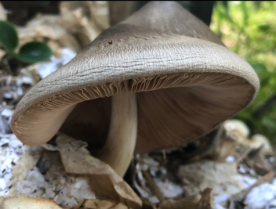
. The Volvariella volvacea (Figure 1) samples were washed and then dried in thin layers away from sunlight for 25 days. Once dried, the mushroom material was ground. For decoction extraction, 100 ml of water was added to 10 g of powdered fungal material and boiled for 15 minutes, then filtered through filter paper and Wattman filter paper before being dried in an oven at 46°C for 24 hours. The brown-colored dried Volvariella volvacea evaporates were collected and stored in sterile boxes to be incorporated into the diet of Wistar rats.
Blood samples were taken in healthy rats on day 1 and apparently healthy at the experiment end. The rats are anesthetized with a solution of ether soaked in cotton after 12 hours of fasting. The blood collected by punctures of the retro-orbital sinus is recovered in EDTA tubes in order to count the number and see the shape of the blood cells on the same day of sampling.
2.4. Determination of Leukocyte Parameters, Albumin and Alanine Aminotransferase (ALT)
This was performed directly by the complete blood count on days 1 and 42 to avoid cell autolysis and to obtain reliable results using the automated hematology analyzer (Sysmex X-1000, Japan). The complete blood count essentially provides information on the total number of leuko cells, neutrophils, basophils and lymphocytes
[1]
Tamang T, Baral S, Paing MP. (2022) Classification of white blood cells: A comprehensive study using transfer learning based on convolutional neural networks. diagnostics (Basel)., 12 (2903): 1-12.
. To this were added albumin and ALT by an automated spectrophotometer [Randox, France].
3. Results
3.1. Variation in Leukocyte Parameters (WBC, Neutrophils, Lymphocytes, Basophils) from the 1st to Day 42
At day 42, a significant increase in the number of leukocytes in general was recorded in rats that received single pork fat as a supplement compared to the rest of the animals. In contrast, the basophil values did not register any significant variation in the different lots (Table 1).
Table 1. Variation of certain leukocyte parameters in rats after Volvariella volvacea (Vv) eaten.
White blood cells (103 µl)
Basophils (103 µl)
Neutrophils (103 µl)
Lymphocytes (103 µl)
D1
J42
D1
J42
D1
J42
D1
J42
DW
11.6 ± 1.1
13.1 ± 1.2
0.35 ± 0.02
0.43 ± 1.50
2.06 ± 0.21
3.07 ± 0.8
9.7 ± 0.1
12.7 ± 0.8
FF
9.21 ± 0.15
14.1± 0.1 (53.1%)
0.81± 0.07
1.03 ± 0.01
3.2 ± 0.5
6.04 ± 0.01 (57.5%)
8.12±0.8
13.1 ±0.4 (61.35%)
D- 5%
12.16 ± 1.2
15.1 ± 1.30
0.6 ± 0.03
0.8 ± 0.10
2.15 ± 0.6
4.82 ± 0.4
9.07 ± 0.38
11.04 ± 0.1
D-10%
10.1 ± 1.26
13.2 ± 0.8 (20.8%)*
0.81 ± 0.07
0.93 ± 0.4
2.76 ± 0.6
3.20 ± 0.1 (15.9%)*
10.2 ±0.3
11.48 ±0.5 (12.7%)*
* p < 0.05: Comparison with the positive control group (CG).
DW: Distilled water; FF: Fatty food; J1: Day 1; J42: Day 42
D-5%: Incorporation rate of Volvariella volvacea at 5%
D-10%: Incorporation rate of Volvariella volvacea at 10%
3.2. Evolution Albumin and Alanine Aminotransferase Levels
Table 2. Variation in albumin (Alb) and alanine aminotransferase (ALT) levels in rats.
Alb (g/l)
ALT (IU/L)
D1
J42
D1
J42
DW
23.04 ±1.6
28.2 ±1.05
73.15 ± 0.4
73.12 ± 0.3
HFD-30%
26.2 ± 0.8
22.4 ±1.07 (16.95%)
77.2 ±0.8
130.1 ± 0.5 (68.50%)
D-5%
22 ± 0.67
25.1 ±1.1
69.4 ±0.11
85.4 ±1.2
D-10%
24.06 ± 1.6
27.8 ± 0.2 (15.80%)*
71.6 ± 0.2
83.10 ±0.1 (16.50%)*
* p < 0.05: Significant difference of rats consuming Vv (5% and 10%) compared to the positive control
(FF), n = 8, M ± ESM.
DW: Distilled water; HFD: High fat diet; J1: Day 1; J42: Day 42
D-5%: Incorporation rate of Volvariella volvacea at 5%
D-10%: Incorporation rate of Volvariella volvacea at 10%
4. Discussion
The development of obesity linked to a high-fat diet is of major importance and it has been shown response of the body's defense cells, including white blood cells, lymphocytes, neutrophils and basophils.
Consumption of the Vv mushroom by fat-induced animals prevented an increase in white blood cell, neutrophil, and lymphocyte counts compared to the positive control (20.8% vs 53.1%; 15.9%vs 57.5%; 12.78% vs 61.35%), respectively; this finding was more pronounced with the 10% Vv dose (Table 1). A slight increase in white blood cell count could be related to excess fatty acids in the blood. Indeed, leukocytes (white blood cells) primarily react by attempting to combat damaged cells or associated inflammatory processes, often leading to an increase in their number (leukocytosis) in response to inflammation or a resulting infection
[12]
Borja-Magno A, Guevara-Cruz M, Flores-López A, Carrillo-Domínguez S, Granados J, Clorinda Arias C and al. (2023). Differential effects of high dose omega-3 fatty acids on metabolism and inflammation in patients with obesity: eicosapentaenoic and docosahexaenoic acid supplementation. Dry. Nutritional Immunol, 10(1156995): 1-14.
. Furthermore, to avoid a chronic excess of fatty acids that can also lead to immune dysfunctions, bioactive components from Vv such as vitamins, trace elements, flavonoids and saponins also played a key role in balancing the redox state of white blood cells, thus protecting them from oxidative stress
[13]
Ali S, Javed MA, Usman M (2024). Volvariellavolvacea(paddy straw mushroom): A mushroom with exceptional medicinal and nutritional properties. Heliyon., 10(21): 1-14.
. These processes are essential for the survival of the cell population in general, hence the slight increase observed in the number of WBCs in animals that received 10% Vv.
In the present study, the results showed a slight increase in neutrophil counts (neutrophils being a subpopulation of leukocytes) in Vv rats (Table 1) in the presence of excess fatty acids. These cells, which are among the first responders recruited to a high-fat diet, are part of the cell-mediated immune responses responsible for innate immunity, the first line of defense that helps eliminate foreign bodies and repair damaged tissues
[14]
Obeagu EI. (2025). Stress, neutrophils and immunity: a dynamic interplay. Ann Med Surg (Lond). 87(6): 73-85.
. In another study, extracts of V. volvacea, as a potential anti-inflammatory and anticancer agent, regulated (decreased) IL-8 expression in the activation of neutrophils as a host cell defense mechanism
[16]
Abdulrajak AF, Priya SK. Exploring the nutritional and medicinal properties of Volvariellavolvacea: A comprehensive review. J Food Biotechnol, 2025; 06(01): 1- 10.
There was no significant variation (p > 0.05) in basophils between rats treated with the Volvariella volvacea doses and controls, although this mushroomis essential for the growth, differentiation, and proliferation of immune system cells, including basophils. Similarly, a fungal immunomodulatory protein (FIP) isolated from V. volvacea in mice promoted the maturation and function of dendritic cells, suggesting that this protein could have benefits for human health by enhancing immunity
[17]
Li JP, Lee YP, Ma JC, Liu BR, Hsieh NT, Chen DC and al (2021). The Enhancing effect of fungal immunomodulatory protein- Volvariellavolvacea(FIP-Vvo) on maturation and function of mouse dendritic cells. Life (Basel)., 11(471): 1-12.
Lymphocytes represent up to 10% of non-adipose cells in adipose tissue and include T lymphocytes, B lymphocytes, NK cells and ILC2 cells
[18]
McLaughlin T, Ackerman SE, Shen L, Engleman E (2017). Role of innate and adaptive immunity in obesity-associated metabolic disease. J. Clin. Invest., 127: 5-13.
. The slight increase in lymphocytes in this study shows that the Vv mushroom inhibited, on the one hand, the development of obesity linked to dietary supplementation with a very high fat content (30%), and on the other hand, the recruitment of pathogenic B lymphocytes that were unable to accumulate in adipose tissue to produce chemokines that should activate T lymphocytes
[19]
Kane H, Lynch L. (2019). Innate immune control of at homeostasis. Trends Immunol., 40: 857-872.
ALT levels (Table 2), they were significantly reduced (p < 0.05) compared to the high-fat diet, implying that administration of the 10%V mushroom would be beneficial in preventing hepatic steatosis by lowering the level of this transaminase. This result is consistent with those reported by Farhana
[20]
Farhana L, Nazifa S, Neamul KZ, Ashit KD, Razina R, Khondoker SA and al. (2025). Effects of Ganodermalucidumsupplementation on obesity and metabolic alterations induced by high-carbohydrate-high-fat diet in rats. J Food Biochem, 6894057: 1-15.
Lotfy TMR, El-Hendy HAR, Shawir SMS. (2022). Effect of mushroom, oat and their mixtures as functional food on lipid profile, liver and kidney functions of obese rats. Jedu. J. Ekb. Eg., 35: 1814-1838.
. This latter author found low levels of ALT (36.73U/ml) in obese rats consuming 20% mushrooms in their diet compared to the group of positive control rats (66.83U/ml)
[21]
Lotfy TMR, El-Hendy HAR, Shawir SMS. (2022). Effect of mushroom, oat and their mixtures as functional food on lipid profile, liver and kidney functions of obese rats. Jedu. J. Ekb. Eg., 35: 1814-1838.
. Similarly, ALT levels, like other transaminases, were reduced in rats fed a high-fat diet and treated with 2.5% Ganoderma lucidum mushroom powder (81.04U/l) compared to the positive control group (105.1 U/l), thus reducing liver damage and attenuating liver dysfunction
[20]
Farhana L, Nazifa S, Neamul KZ, Ashit KD, Razina R, Khondoker SA and al. (2025). Effects of Ganodermalucidumsupplementation on obesity and metabolic alterations induced by high-carbohydrate-high-fat diet in rats. J Food Biochem, 6894057: 1-15.
Furthermore, albumin levels increase slightly in the group of rats consuming the fatty food and 10%Vv (27g/l) unlike the positive control rat group where there is a slight decrease (22g/l) at the end of treatment (Table 2). This result is similar to a study incorporating 20% mushrooms into the diet of obese rats, with respective albumin levels of 34 g/L and 25 g/L in the test rats and positive control rats
[21]
Lotfy TMR, El-Hendy HAR, Shawir SMS. (2022). Effect of mushroom, oat and their mixtures as functional food on lipid profile, liver and kidney functions of obese rats. Jedu. J. Ekb. Eg., 35: 1814-1838.
. Indeed, a high-fat diet can lead to a decrease in serum albumin levels in rats, although the effect varies depending on the rat strain and the specific composition of the diet
[22]
Ursun S, Gulerman HF, Gazyagcı S, Şahin Y, Erel O, Neşelioglu S. (2021) Investigation of thiol/disulfide balance in obese rats with non-alcoholic fatty liver disease. Pediatr Gastroenterol Hepatol Nutr.; 24(5): 443-454.
Laurentius T, Raffetseder U, Fellner C, Kob R, Nourbakhsh M, Floege J and al. (2019). High-fat diet-induced obesity causes an inflammatory microenvironment in the kidneys of aging Long-Evans rats. J Inflamm (Lond)., 16(14): 1-8.
. The small increase in albumin levels observed with the aforementioned mushrooms could be explained by the nutritional value of the mushroom, which, once incorporated into food products, increases the nutritional value, particularly protein
[24]
Ayimbila F, Keawsompong S. (2023). Nutritional quality and biological application of mushroom proteins as a novel protein alternative. Curr Nutr Rep. 12(2): 290-307.
. This allows to normalize albumin levels in the animal's body during experiments. Normalization of albumin levels relies primarily on liver metabolism in response to nutritional intake, utilizing the binding protein FcRn. The FcRn receptor plays an important role in preventing excessive degradation
[25]
Cameron K, Nguyen AL, Gibson DJ, Ward MG, Sparrow MP, Gibson PR. (2025). Albumin and its role in inflammatory bowel disease: The old, the new and the future. J Gastroenterol Hepatol., 40(4): 808-820.
Consumption of 10% Volvariella volvacea mushroom by rats fed a high-fat diet showed a beneficial effect by reducing leukocyte, alanine aminotransferase, and albumin levels compared to the control group of positive rats. This could be attributed to the various bioactive compounds present in this mushroom. Further research is needed to evaluate the effect of mushroom Volvariella volvacea on certain leukocyte parameters (including monocytes) in humans using an immunostimulation assay. The results of this research suggest that this mushroom, as a functional food containing bioactive compounds, could be used to prevent obesity and related diseases, thereby improving human health.
Abbreviations
Alb
Albumin
ALT
Alanine Aminotransferase
DW
Distilled Water
FIP
Fungal Immunomodulatory Protein
HFD
High Fat Diet
ILC2 cells
Group 2 Innate Lymphoid Cell
NK cell
Natural Killer Cells
Vv
Volvariellavolvacea
WBCs
White Blood Cell
WHO
World Health Organization
Acknowledgments
The authors would like to thank all laboratories who contributed to the achievement of this study.
Tamang T, Baral S, Paing MP. (2022) Classification of white blood cells: A comprehensive study using transfer learning based on convolutional neural networks. diagnostics (Basel)., 12 (2903): 1-12.
Ukoima HN, Ogbonnaya LO, Arikpo GE, Ikpe FN (2009). Cultivation of mushrooms (Volvariellavolvacea)on various farm wastes in Obubra local government of Cross River state, Nigeria, Pakistan. J. Nutr., 8: 59-61.
Yian GC, Pitta BMS, Tiebre MS. (2020). Edible wild mushrooms and traditional pharmacopoeia in the forest zone of Cote d'Ivoire. IOSR Journal of Pharmacy and Biological Sciences (IOSR-JPBS)., 15(2): 35-45.
Jedinak A, Dudhgaonkar S, Wu Q, Simon J, Sliva D. (2011). Anti-inflammatory activity of edible oyster mushroom is mediated through the inhibition of NF-κB and AP-1 signaling. Nutr. J., 10: 1-10.
Nayana J, Ajith TA, Janardhanan KK. (2004). A methanol extract of the oyster mushroom, Pleurotusflorida, inhibits inflammation and platelet aggregation. Phytother Res, 18(1): 43-46.
Yoshimoto H, Miyazawa N, Eguchi F.(2025). Wild and cultivated mushrooms exhibit anti-inflammatory effects including inhibition of platelet aggregation and interleukin-8 expression. Appl. Microbiol., 5(36): 1-10.
Soroko M, Górniak W, Zielińska P, Górniak A, Śniegucka K, Nawrot K and al. (2022) Effect of Lentinulaedodeson morphological and biochemical blood parameters of horses. Animals (Basel)., 12(1106): 1-10.
Regnier T, Tswaai P, Augusty W and Johan Linde J. (2025). African mushrooms as a preventative healthcare and nutrition intervention. BIO Web of Conferences, 187 (01004): 1-9.
Monteomo GF, Kamagate A, Gnangoran BN (2018). Risk factors associated with metabolic syndrome by enriched food in pig fat in the Wistar rats. JDiabetesMetabDisordControl. 5(6): 216-220.
Daoudi A, Bammou M, Haloui Z. (2017). Antifungal activity of aqueous extracts of CalendulaofficinalisL,Urgineamaritima(L.) Baker and ChenopodiumambrosioidesL. Eur Sci J. 13(24): 483-497.
Akre DST, N’Douba AP, Koffi AE. (2022) Evaluation of the antibacterial activity of two mushrooms (Daldinia concentrica and Volvariellavolvacea) on the growth of multi-resistant Escherichia coli strains isolated in Daloa, Cote d'Ivoire. RAMReS – Pharm Med Trad Afr Series.
Borja-Magno A, Guevara-Cruz M, Flores-López A, Carrillo-Domínguez S, Granados J, Clorinda Arias C and al. (2023). Differential effects of high dose omega-3 fatty acids on metabolism and inflammation in patients with obesity: eicosapentaenoic and docosahexaenoic acid supplementation. Dry. Nutritional Immunol, 10(1156995): 1-14.
Ali S, Javed MA, Usman M (2024). Volvariellavolvacea(paddy straw mushroom): A mushroom with exceptional medicinal and nutritional properties. Heliyon., 10(21): 1-14.
Abdulrajak AF, Priya SK. Exploring the nutritional and medicinal properties of Volvariellavolvacea: A comprehensive review. J Food Biotechnol, 2025; 06(01): 1- 10.
Li JP, Lee YP, Ma JC, Liu BR, Hsieh NT, Chen DC and al (2021). The Enhancing effect of fungal immunomodulatory protein- Volvariellavolvacea(FIP-Vvo) on maturation and function of mouse dendritic cells. Life (Basel)., 11(471): 1-12.
McLaughlin T, Ackerman SE, Shen L, Engleman E (2017). Role of innate and adaptive immunity in obesity-associated metabolic disease. J. Clin. Invest., 127: 5-13.
Farhana L, Nazifa S, Neamul KZ, Ashit KD, Razina R, Khondoker SA and al. (2025). Effects of Ganodermalucidumsupplementation on obesity and metabolic alterations induced by high-carbohydrate-high-fat diet in rats. J Food Biochem, 6894057: 1-15.
Lotfy TMR, El-Hendy HAR, Shawir SMS. (2022). Effect of mushroom, oat and their mixtures as functional food on lipid profile, liver and kidney functions of obese rats. Jedu. J. Ekb. Eg., 35: 1814-1838.
Laurentius T, Raffetseder U, Fellner C, Kob R, Nourbakhsh M, Floege J and al. (2019). High-fat diet-induced obesity causes an inflammatory microenvironment in the kidneys of aging Long-Evans rats. J Inflamm (Lond)., 16(14): 1-8.
Ayimbila F, Keawsompong S. (2023). Nutritional quality and biological application of mushroom proteins as a novel protein alternative. Curr Nutr Rep. 12(2): 290-307.
Cameron K, Nguyen AL, Gibson DJ, Ward MG, Sparrow MP, Gibson PR. (2025). Albumin and its role in inflammatory bowel disease: The old, the new and the future. J Gastroenterol Hepatol., 40(4): 808-820.
Monteomo, F. G., Deh, P. Z., Akpole, J. K., Coulibaly, A., Koudougou, T., et al. (2025). Preventive Effects of the Mushroom (Volvariella volvacea) on Leukocyte Parameters, Albumin and Alanine Aminotransferase in Wistar Rat on a High-fat Diet. International Journal of Nutrition and Food Sciences, 14(6), 486-491. https://doi.org/10.11648/j.ijnfs.20251406.21
Monteomo, F. G.; Deh, P. Z.; Akpole, J. K.; Coulibaly, A.; Koudougou, T., et al. Preventive Effects of the Mushroom (Volvariella volvacea) on Leukocyte Parameters, Albumin and Alanine Aminotransferase in Wistar Rat on a High-fat Diet. Int. J. Nutr. Food Sci.2025, 14(6), 486-491. doi: 10.11648/j.ijnfs.20251406.21
Monteomo FG, Deh PZ, Akpole JK, Coulibaly A, Koudougou T, et al. Preventive Effects of the Mushroom (Volvariella volvacea) on Leukocyte Parameters, Albumin and Alanine Aminotransferase in Wistar Rat on a High-fat Diet. Int J Nutr Food Sci. 2025;14(6):486-491. doi: 10.11648/j.ijnfs.20251406.21
@article{10.11648/j.ijnfs.20251406.21,
  author = {Francois Gnate Monteomo and Patricia Zhou Deh and Jacques Koffi Akpole and Aboubacar Coulibaly and Traore Koudougou and Desiree Oulai Tagninon and Mathieu Nanhounou Bleyere},
  title = {Preventive Effects of the Mushroom (Volvariella volvacea) on Leukocyte Parameters, Albumin and Alanine Aminotransferase in Wistar Rat on a High-fat Diet},
  journal = {International Journal of Nutrition and Food Sciences},
  volume = {14},
  number = {6},
  pages = {486-491},
  doi = {10.11648/j.ijnfs.20251406.21},
  url = {https://doi.org/10.11648/j.ijnfs.20251406.21},
  eprint = {https://article.sciencepublishinggroup.com/pdf/10.11648.j.ijnfs.20251406.21},
  abstract = {Consumers are now showing a strong interest in bioactive foods such as mushrooms, which have beneficial effects on human health and reduce the risk of diet-related diseases such as obesity. This study aimed to evaluate the effects of dietary supplementation with powdered Volvariella volvacea (Vv) mushroom on leukocyte parameters, albumin and alanine aminotransferase to the Wistar rats induced rats on a high-fat diet for 42 days. Rats weighing an average of 96.2 ± 1.3 g were fed control diets and diets based on mushroom powder at different percentages: negative control diet or distilled water (DW), positive control diet or high-fat diet (HFD), 5% diet (Vv 5% and HFD), and 10% diet (Vv 10% and HFD). Blood samples were collected from the animals at the beginning of the experiment (day 1) and again on day 42. Leukocyte parameters were measured using a BC-30s hematology analyzer, and albumin and alanine aminotransferase levels were measured using an automated spectrophotometer. The results showed that the consumption of 10% Vv mushrooms slowed the increase in the rate of WBC (20.8%) unlike the positive control group (53.1%). Neutrophil and lymphocyte counts were lower than in the positive control group (15.9% vs. 57.5% and 12.78% vs. 61.35%, respectively) with the 10% Vv dose, which is thought to be related to the overall immune response of animals fed this mushroom. Significantly reduced levels (P < 0.05) of the liver enzyme ALT were observed in the Vv 10% diet (16.50%) compared to the fat diet (68.50%), which helps prevent hepatic steatosis. Albumin levels, which increased significantly (p < 0.05) in the Vv 10% group (15.80%) and decreased significantly in the positive control group (16.95%), were influenced by protein intake. In summary, leukocyte parameters, the liver enzyme alanine aminotransferase and albumin levels were close to those of non-obese rats; therefore, Vv consumption could have benefits for human health.},
 year = {2025}
}
TY  - JOUR
T1  - Preventive Effects of the Mushroom (Volvariella volvacea) on Leukocyte Parameters, Albumin and Alanine Aminotransferase in Wistar Rat on a High-fat Diet
AU  - Francois Gnate Monteomo
AU  - Patricia Zhou Deh
AU  - Jacques Koffi Akpole
AU  - Aboubacar Coulibaly
AU  - Traore Koudougou
AU  - Desiree Oulai Tagninon
AU  - Mathieu Nanhounou Bleyere
Y1  - 2025/12/20
PY  - 2025
N1  - https://doi.org/10.11648/j.ijnfs.20251406.21
DO  - 10.11648/j.ijnfs.20251406.21
T2  - International Journal of Nutrition and Food Sciences
JF  - International Journal of Nutrition and Food Sciences
JO  - International Journal of Nutrition and Food Sciences
SP  - 486
EP  - 491
PB  - Science Publishing Group
SN  - 2327-2716
UR  - https://doi.org/10.11648/j.ijnfs.20251406.21
AB  - Consumers are now showing a strong interest in bioactive foods such as mushrooms, which have beneficial effects on human health and reduce the risk of diet-related diseases such as obesity. This study aimed to evaluate the effects of dietary supplementation with powdered Volvariella volvacea (Vv) mushroom on leukocyte parameters, albumin and alanine aminotransferase to the Wistar rats induced rats on a high-fat diet for 42 days. Rats weighing an average of 96.2 ± 1.3 g were fed control diets and diets based on mushroom powder at different percentages: negative control diet or distilled water (DW), positive control diet or high-fat diet (HFD), 5% diet (Vv 5% and HFD), and 10% diet (Vv 10% and HFD). Blood samples were collected from the animals at the beginning of the experiment (day 1) and again on day 42. Leukocyte parameters were measured using a BC-30s hematology analyzer, and albumin and alanine aminotransferase levels were measured using an automated spectrophotometer. The results showed that the consumption of 10% Vv mushrooms slowed the increase in the rate of WBC (20.8%) unlike the positive control group (53.1%). Neutrophil and lymphocyte counts were lower than in the positive control group (15.9% vs. 57.5% and 12.78% vs. 61.35%, respectively) with the 10% Vv dose, which is thought to be related to the overall immune response of animals fed this mushroom. Significantly reduced levels (P < 0.05) of the liver enzyme ALT were observed in the Vv 10% diet (16.50%) compared to the fat diet (68.50%), which helps prevent hepatic steatosis. Albumin levels, which increased significantly (p < 0.05) in the Vv 10% group (15.80%) and decreased significantly in the positive control group (16.95%), were influenced by protein intake. In summary, leukocyte parameters, the liver enzyme alanine aminotransferase and albumin levels were close to those of non-obese rats; therefore, Vv consumption could have benefits for human health.
VL  - 14
IS  - 6
ER  -
Monteomo, F. G., Deh, P. Z., Akpole, J. K., Coulibaly, A., Koudougou, T., et al. (2025). Preventive Effects of the Mushroom (Volvariella volvacea) on Leukocyte Parameters, Albumin and Alanine Aminotransferase in Wistar Rat on a High-fat Diet. International Journal of Nutrition and Food Sciences, 14(6), 486-491. https://doi.org/10.11648/j.ijnfs.20251406.21
Monteomo, F. G.; Deh, P. Z.; Akpole, J. K.; Coulibaly, A.; Koudougou, T., et al. Preventive Effects of the Mushroom (Volvariella volvacea) on Leukocyte Parameters, Albumin and Alanine Aminotransferase in Wistar Rat on a High-fat Diet. Int. J. Nutr. Food Sci.2025, 14(6), 486-491. doi: 10.11648/j.ijnfs.20251406.21
Monteomo FG, Deh PZ, Akpole JK, Coulibaly A, Koudougou T, et al. Preventive Effects of the Mushroom (Volvariella volvacea) on Leukocyte Parameters, Albumin and Alanine Aminotransferase in Wistar Rat on a High-fat Diet. Int J Nutr Food Sci. 2025;14(6):486-491. doi: 10.11648/j.ijnfs.20251406.21
@article{10.11648/j.ijnfs.20251406.21,
  author = {Francois Gnate Monteomo and Patricia Zhou Deh and Jacques Koffi Akpole and Aboubacar Coulibaly and Traore Koudougou and Desiree Oulai Tagninon and Mathieu Nanhounou Bleyere},
  title = {Preventive Effects of the Mushroom (Volvariella volvacea) on Leukocyte Parameters, Albumin and Alanine Aminotransferase in Wistar Rat on a High-fat Diet},
  journal = {International Journal of Nutrition and Food Sciences},
  volume = {14},
  number = {6},
  pages = {486-491},
  doi = {10.11648/j.ijnfs.20251406.21},
  url = {https://doi.org/10.11648/j.ijnfs.20251406.21},
  eprint = {https://article.sciencepublishinggroup.com/pdf/10.11648.j.ijnfs.20251406.21},
  abstract = {Consumers are now showing a strong interest in bioactive foods such as mushrooms, which have beneficial effects on human health and reduce the risk of diet-related diseases such as obesity. This study aimed to evaluate the effects of dietary supplementation with powdered Volvariella volvacea (Vv) mushroom on leukocyte parameters, albumin and alanine aminotransferase to the Wistar rats induced rats on a high-fat diet for 42 days. Rats weighing an average of 96.2 ± 1.3 g were fed control diets and diets based on mushroom powder at different percentages: negative control diet or distilled water (DW), positive control diet or high-fat diet (HFD), 5% diet (Vv 5% and HFD), and 10% diet (Vv 10% and HFD). Blood samples were collected from the animals at the beginning of the experiment (day 1) and again on day 42. Leukocyte parameters were measured using a BC-30s hematology analyzer, and albumin and alanine aminotransferase levels were measured using an automated spectrophotometer. The results showed that the consumption of 10% Vv mushrooms slowed the increase in the rate of WBC (20.8%) unlike the positive control group (53.1%). Neutrophil and lymphocyte counts were lower than in the positive control group (15.9% vs. 57.5% and 12.78% vs. 61.35%, respectively) with the 10% Vv dose, which is thought to be related to the overall immune response of animals fed this mushroom. Significantly reduced levels (P < 0.05) of the liver enzyme ALT were observed in the Vv 10% diet (16.50%) compared to the fat diet (68.50%), which helps prevent hepatic steatosis. Albumin levels, which increased significantly (p < 0.05) in the Vv 10% group (15.80%) and decreased significantly in the positive control group (16.95%), were influenced by protein intake. In summary, leukocyte parameters, the liver enzyme alanine aminotransferase and albumin levels were close to those of non-obese rats; therefore, Vv consumption could have benefits for human health.},
 year = {2025}
}
TY  - JOUR
T1  - Preventive Effects of the Mushroom (Volvariella volvacea) on Leukocyte Parameters, Albumin and Alanine Aminotransferase in Wistar Rat on a High-fat Diet
AU  - Francois Gnate Monteomo
AU  - Patricia Zhou Deh
AU  - Jacques Koffi Akpole
AU  - Aboubacar Coulibaly
AU  - Traore Koudougou
AU  - Desiree Oulai Tagninon
AU  - Mathieu Nanhounou Bleyere
Y1  - 2025/12/20
PY  - 2025
N1  - https://doi.org/10.11648/j.ijnfs.20251406.21
DO  - 10.11648/j.ijnfs.20251406.21
T2  - International Journal of Nutrition and Food Sciences
JF  - International Journal of Nutrition and Food Sciences
JO  - International Journal of Nutrition and Food Sciences
SP  - 486
EP  - 491
PB  - Science Publishing Group
SN  - 2327-2716
UR  - https://doi.org/10.11648/j.ijnfs.20251406.21
AB  - Consumers are now showing a strong interest in bioactive foods such as mushrooms, which have beneficial effects on human health and reduce the risk of diet-related diseases such as obesity. This study aimed to evaluate the effects of dietary supplementation with powdered Volvariella volvacea (Vv) mushroom on leukocyte parameters, albumin and alanine aminotransferase to the Wistar rats induced rats on a high-fat diet for 42 days. Rats weighing an average of 96.2 ± 1.3 g were fed control diets and diets based on mushroom powder at different percentages: negative control diet or distilled water (DW), positive control diet or high-fat diet (HFD), 5% diet (Vv 5% and HFD), and 10% diet (Vv 10% and HFD). Blood samples were collected from the animals at the beginning of the experiment (day 1) and again on day 42. Leukocyte parameters were measured using a BC-30s hematology analyzer, and albumin and alanine aminotransferase levels were measured using an automated spectrophotometer. The results showed that the consumption of 10% Vv mushrooms slowed the increase in the rate of WBC (20.8%) unlike the positive control group (53.1%). Neutrophil and lymphocyte counts were lower than in the positive control group (15.9% vs. 57.5% and 12.78% vs. 61.35%, respectively) with the 10% Vv dose, which is thought to be related to the overall immune response of animals fed this mushroom. Significantly reduced levels (P < 0.05) of the liver enzyme ALT were observed in the Vv 10% diet (16.50%) compared to the fat diet (68.50%), which helps prevent hepatic steatosis. Albumin levels, which increased significantly (p < 0.05) in the Vv 10% group (15.80%) and decreased significantly in the positive control group (16.95%), were influenced by protein intake. In summary, leukocyte parameters, the liver enzyme alanine aminotransferase and albumin levels were close to those of non-obese rats; therefore, Vv consumption could have benefits for human health.
VL  - 14
IS  - 6
ER  -

 ,
Patricia Zhou Deh
,
Patricia Zhou Deh


 Share This Article
 Twitter
 Linked In
 Facebook
 Copy
Copy Download